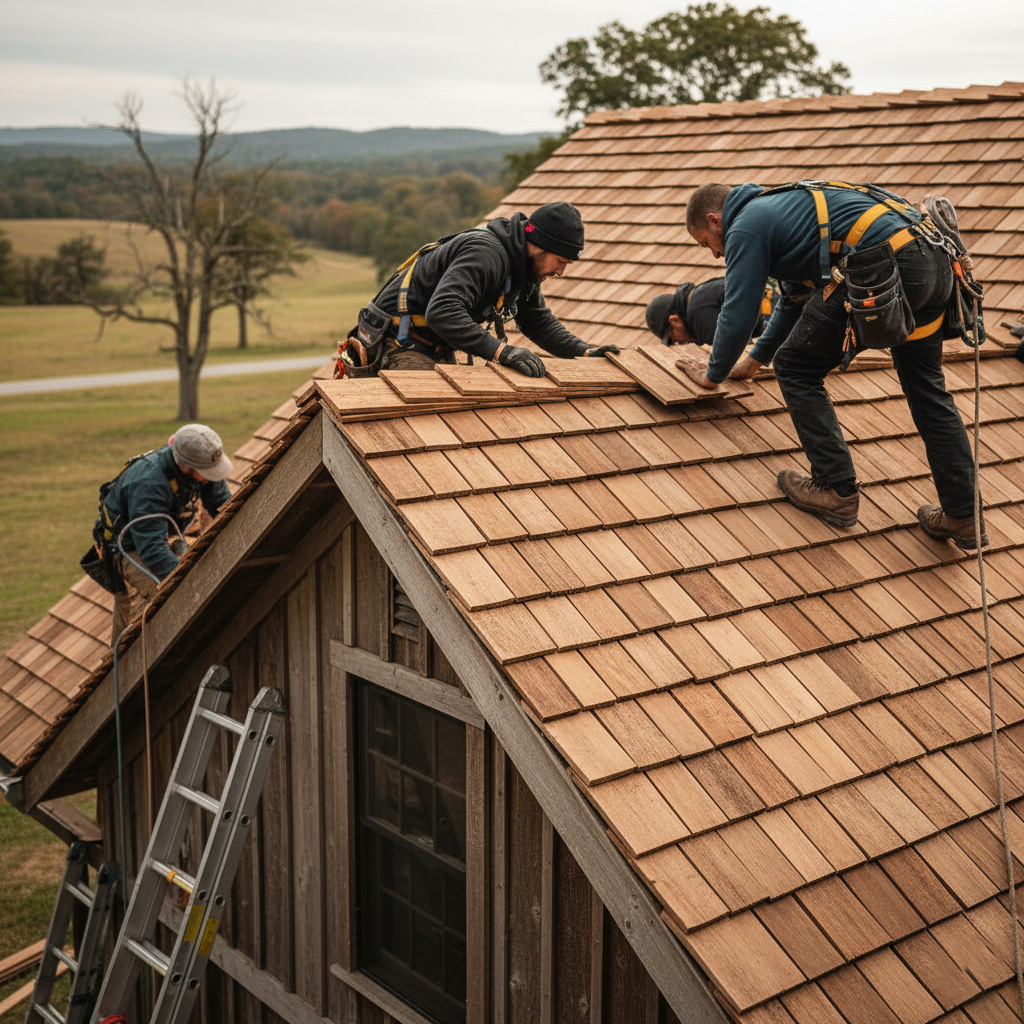


⚡ TL;DR: Discover five common pitfalls in tile roof installation in Minneapolis, like poor substrate prep and wrong tile choices, to ensure durability against Minnesota's freeze-thaw cycles.
📋 What You’ll Learn
In this guide to tile roof installation in Minneapolis, you'll uncover five key pitfalls to sidestep, protecting your investment from Minnesota's brutal winters, freeze-thaw damage, and heavy snow loads.
- Master substrate prep essentials to withstand Minnesota's freeze-thaw cycles, avoiding cracks, leaks, and premature roof deterioration right from the foundation layer.
- Select ideal tile types suited for Twin Cities winters, ensuring durability against ice dams, thermal shock, and extreme temperature swings for long-term performance.
- Prioritize underlayment and waterproofing to block moisture intrusion, preventing mold, rot, and structural failures common in humid, snowy Minneapolis conditions.
- Perfect flashing and valley installs to handle heavy snow loads, stopping water penetration and ice buildup that lead to leaks and costly repairs.
- Navigate local codes with certified pros to comply with MN regulations, dodging fines, insurance issues, and subpar work from unqualified installers.
📖 Reading time: 7 min
✍️ Author expertise: Minneapolis roofing pro with 20+ years of hands-on tile installs in MN winters.
You're forking over $20,000 or more for a tile roof in Minneapolis, dreaming of that curb appeal that'll turn heads for decades. Then bam: the first freeze-thaw cycle hits, and cracks spiderweb across your tiles faster than you can say "buyer's remorse."
It's a nightmare hundreds of homeowners face every year right here in the Twin Cities, all because they skipped the right prep steps.
Want to bulletproof your investment against Minnesota's brutal weather? Let's dive into the five deadly pitfalls that sink most tile roof jobs.
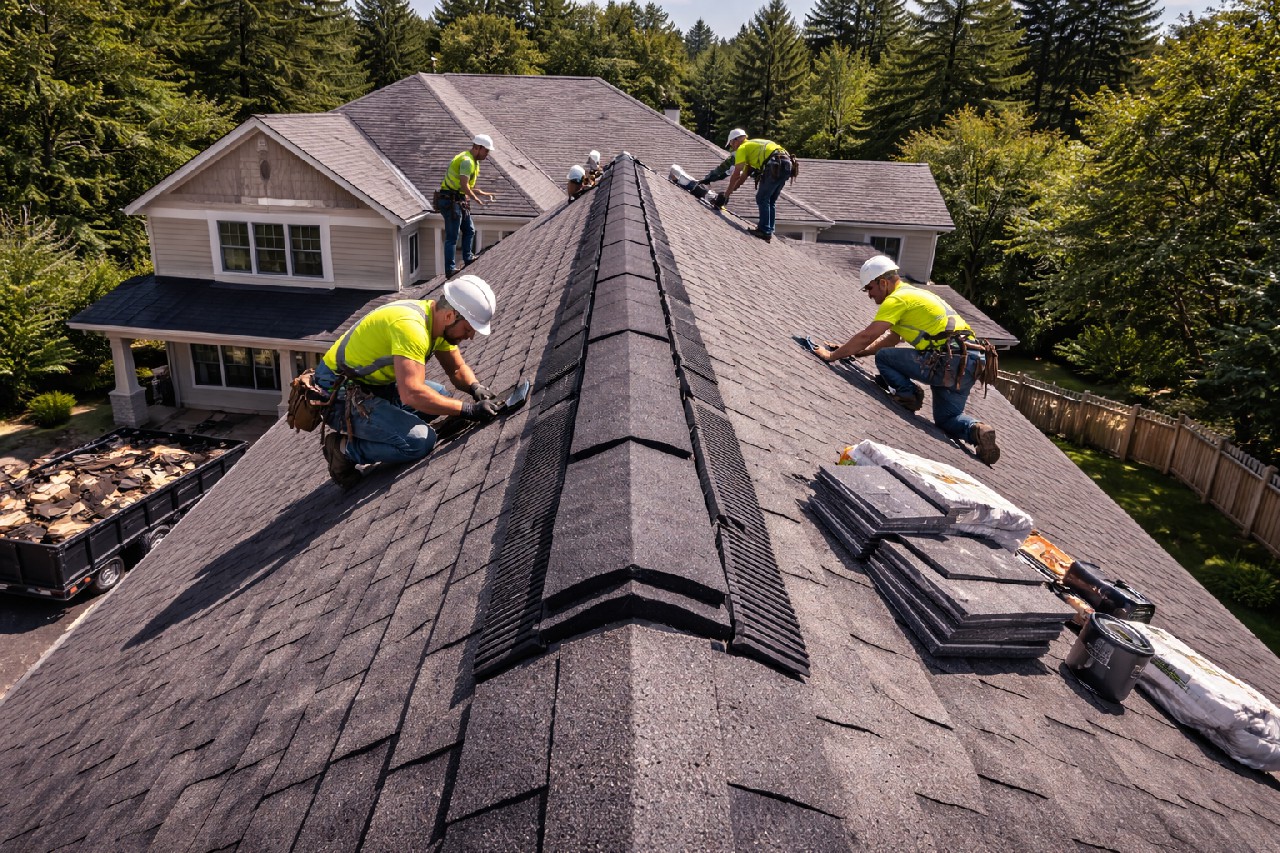
Pitfall #1: Skimping on Substrate Prep for Minnesota's Freeze-Thaw Fury
Minnesota winters don't mess around. Your roof deck – that plywood or OSB base – expands, contracts, and gets pummeled by ice dams. Skimp on prepping it, and those fancy tiles crack like eggshells under the pressure.
Picture this: water sneaks in during a thaw, freezes overnight, and pries your tiles apart. One sloppy substrate job turns your $20K dream roof into a $30K repair bill by spring.
Fix It Right: Substrate Prep Checklist
- Inspect and replace any warped, rotted, or punky decking boards. No shortcuts.
- Ensure it's dead flat – sand high spots, shim lows to within 1/8-inch over 10 feet.
- Fasten every 6 inches on-center with 8-penny ring-shank nails. Glue 'em down too for extra grip against the freeze-thaw heave.
- Keep it bone-dry before tiles go on. Wet wood warps and fails fast.
Get this wrong, and you're handing Mother Nature the keys to your wallet.
Pitfall #2: Choosing the Wrong Tile Type for Twin Cities Winters
Picture this: You grab those shiny, budget clay tiles from the big-box store, thinking they've got that Mediterranean vibe. Come January, when temps plunge to minus 20 and snow piles up, those tiles shatter like cheap glass. Minnesota's freeze-thaw swings demand tiles built for battle, not backyard patios.
Not all tiles are created equal. Concrete tiles often win here because they flex better under snow loads and resist cracking from thermal shock. Skip the lightweight imports; go for Grade 1 clay or high-density concrete rated for northern climates.
Quick Tile Check: Does Yours Stack Up?
- Frost resistance rating: Look for F class (freeze-thaw tested).
- Thickness: At least 1/2 inch to handle 50+ inches of annual snow.
- Weight capacity: Minimum 7-9 lbs per square foot for Twin Cities roofs.
One wrong pick, and you're staring at a $15K repair bill before spring thaw. Nail this, and your roof laughs at blizzards.
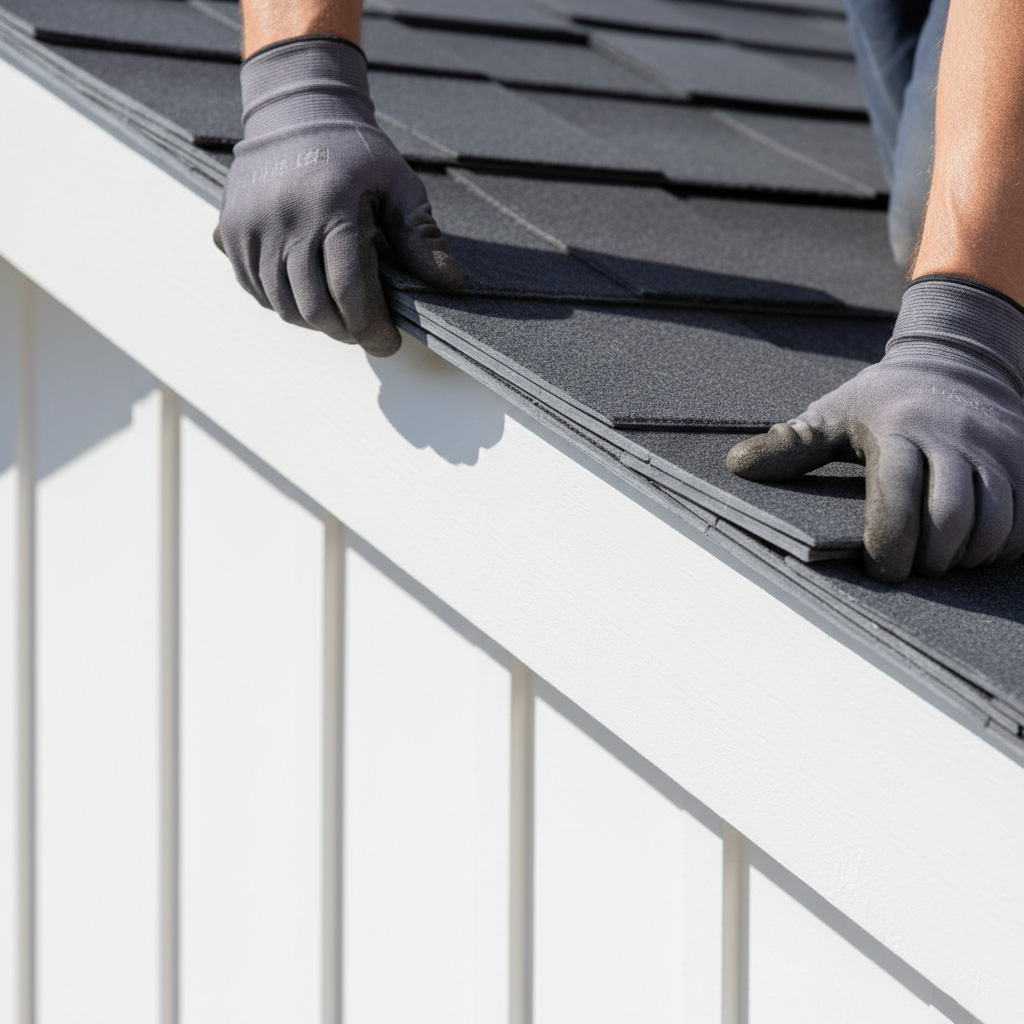
Pitfall #3: Ignoring Proper Underlayment and Waterproofing Layers
Picture this: snow melts, water sneaks under your tiles, and freezes solid overnight. Without killer underlayment, that ice expands and pops tiles loose like corks from a bottle.
Cheap felt paper? Forget it. It turns to mush in Minnesota downpours. You need high-temp synthetic underlayment or ice-and-water shield that laughs at freeze-thaw abuse.
Why Layers Matter Big Time
- Layer 1: Self-adhering membrane over the whole deck. Seals every nail hole.
- Layer 2: Extra ice shield in eaves, valleys, and penetrations. Blocks wind-driven rain.
- Pro Tip: Double-check overlaps. Six inches minimum, or water wins.
Skip this, and you're handing moisture a free pass to rot your deck from the inside. We've seen it wreck roofs in under two years.
Pitfall #4: Botched Flashing and Valley Installation Exposed to Snow Load
Picture this: heavy Minneapolis snow piles up in your roof valleys. Water melts, races down, and hits sloppy flashing around chimneys or walls. Boom. Leaks start, rotting your structure from the inside out.
Flashing seals those vulnerable spots where tiles meet vertical surfaces. Get it wrong with cheap materials or half-baked overlaps, and Twin Cities ice dams turn your dream roof into a water trap.
Red Flags of Shoddy Work
- Visible gaps or rusting metal after one winter.
- Water stains inside near valleys or dormers.
- Tiles shifting from ice buildup prying them loose.
Dodge disaster by demanding step-flashing with corrosion-resistant copper or aluminum, tucked under tiles just right. Insist on pro installers who nail valley liners with self-adhering membranes rated for 50+ pounds per square foot snow load. Your wallet will thank you when that roof laughs off blizzards for 50 years.
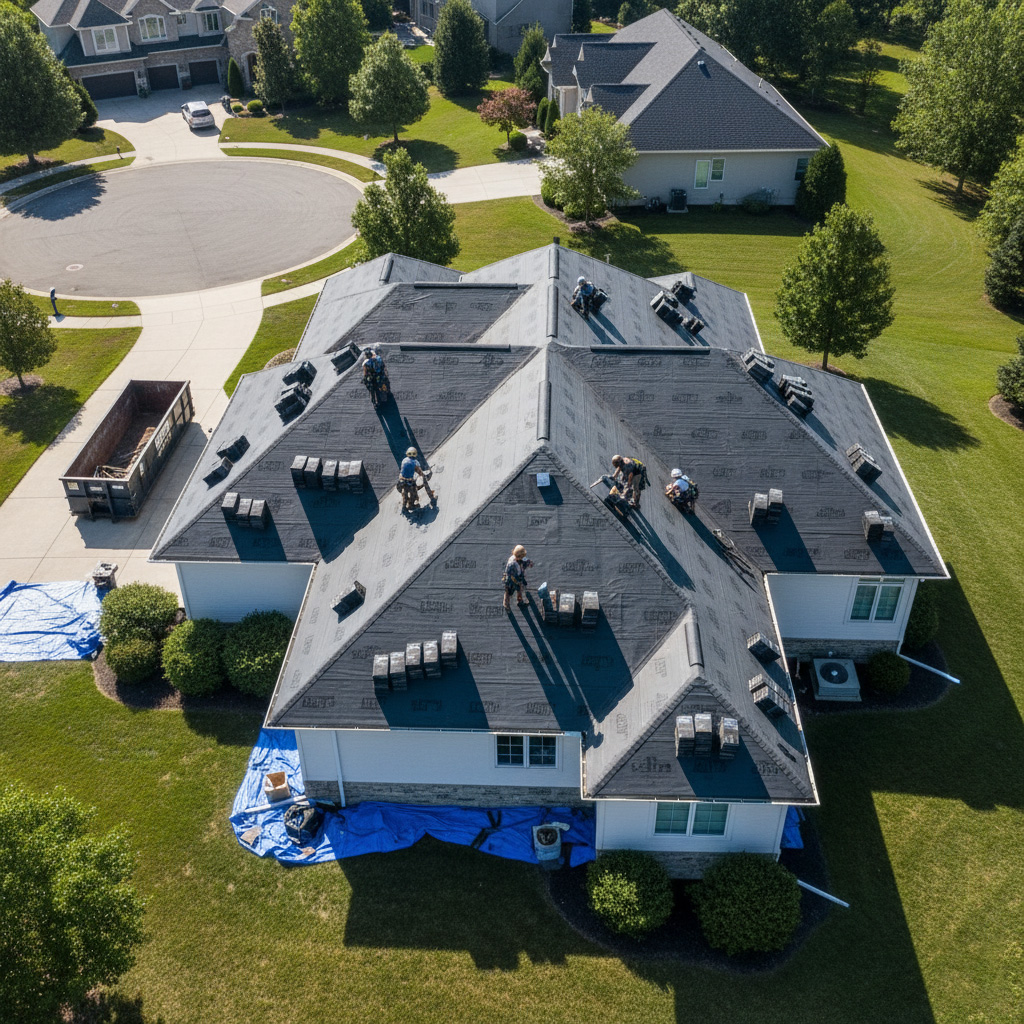
Pitfall #5: Overlooking Local Codes and Uncertified Installers
Minneapolis codes aren't suggestions. They're ironclad rules born from decades of harsh winters burying roofs under 50+ inches of snow.
Skip them, and your tile roof turns into a liability bomb. Inspectors shut down jobs mid-stream. Worse, your insurance balks at claims.
Common Code Blunders That Kill Tile Roofs
- Missing snow load ratings – tiles must handle 40-60 psf here, no exceptions.
- Wrong ventilation specs – ice dams form fast without proper airflow.
- Ignoring wind uplift standards – gusts hit 90 mph; loose tiles fly off.
Uncertified crews? They're the wildcard disaster. No training means botched mortar mixes or sloppy tile alignment.
One slip, and water sneaks in during the next thaw. Your "forever roof" crumbles in five years flat.
Hire pros with MN roofing licenses and tile certifications. Demand proof upfront. It'll save your wallet – and your home.
Case Study: Rescuing a Minneapolis Bungalow from Imminent Tile Roof Collapse
Picture this: a charming 1920s bungalow in Northeast Minneapolis. The owners splurged on clay tiles five years back, chasing that timeless look. But after harsh winters, leaks turned walls to mush and tiles started sliding off like dominoes.
We got the frantic call in early spring. Inspection revealed total disaster from multiple pitfalls. Substrate crumbled under freeze-thaw stress. Wrong tile type couldn't handle snow loads.
The Fix That Saved It
- Ripped everything off. Prepped substrate with ice-and-water shield down to the decking.
- Swapped in high-fire porcelain tiles rated for Minnesota winters.
- Rebuilt valleys with heavy-duty copper flashing. Added code-compliant underlayment layers.
- Hired certified crew who nailed local permits from day one.
Three weeks later, that bungalow stands bulletproof. No more leaks. Curb appeal restored. Owners sleep easy through the next blizzard season.
Final Words
Tile roofs in Minneapolis can last 50 years or more if you nail the install right. But one slip-up, and you're staring at leaks, cracks, and repair bills that stack up fast. Don't let that be you.
Grab a crew that knows Minnesota winters inside out. Look for certified installers who live and breathe local codes. Your home deserves it.
Quick Action Plan
- Schedule a free inspection today. Spot issues before they blow up.
- Demand proof of experience with Twin Cities tile jobs.
- Check our full guide on Tile Roof Installation for more insider tips.
Act now. Your roof's future hangs in the balance.
People Also Ask
Can tile roofs withstand Minnesota's freeze-thaw cycles?
Tile roofs can endure Minnesota's harsh freeze-thaw cycles if properly installed with the right substrate preparation and materials. Skimping on prep work leads to cracking and failure, but high-quality concrete or clay tiles with proper underlayment hold up well. Choose installers experienced in Twin Cities winters to avoid costly repairs.
What is the best tile type for Minneapolis winters?
Concrete tiles are often superior for Minneapolis due to their durability against heavy snow loads and freeze-thaw damage compared to traditional clay. Low-profile concrete tiles shed snow effectively and resist cracking in extreme cold. Always select tiles rated for northern climates to prevent premature failure.
Why is underlayment crucial for tile roofs in snowy areas like the Twin Cities?
Proper underlayment and waterproofing layers protect against ice dams and moisture infiltration common in Minnesota's snowy winters. Synthetic underlayments with high-temperature resistance prevent leaks under tile roofs. Ignoring this pitfall invites water damage and mold growth beneath the tiles.
How important is flashing in tile roof installation for snow-prone regions?
Botched flashing around chimneys, valleys, and edges exposes tile roofs to snow melt and ice buildup in Minneapolis. Correctly installed metal flashing directs water away, preventing leaks under heavy snow loads. Professional installation ensures compliance with local codes for longevity.
Do tile roof installations in Minneapolis require certified installers?
Yes, using uncertified installers risks ignoring Minneapolis building codes, leading to structural failures and voided warranties. Certified pros know local freeze-thaw demands and snow load requirements. Always verify credentials to dodge pitfalls like improper venting and collapse risks.

Minneapolis Roofing delivers roofing services across Minneapolis, MN. With extensive experience, the team handles installations, repairs, and maintenance for residential and commercial properties. Committed to the local community, they emphasize quality craftsmanship in every project.
Need Roofing?
Fast roof repairs and replacements deliver leak-free protection in Minneapolis, MN and nearby areas. (55401, 55403, 55408, 55412, 55419)
Get Roof Quote