


⚡ TL;DR: This checklist guides Minneapolis homeowners through safe roof inspections, from ground checks and shingles to attic leaks and hail damage, to spot issues early.
📋 What You’ll Learn
In this essential Minneapolis roof inspection guide, you'll master checklists to spot hail damage, ice dams, shingle wear, and hidden leaks before costly repairs hit your wallet.
- Gear up with must-have tools and safety essentials for secure inspections, from harnesses to binoculars, ensuring you tackle Minneapolis roofs without unnecessary risks or oversights.
- Spot red flags from ground-level checks like granule buildup in gutters, sagging ridges, and tree damage that hint at major issues before climbing higher.
- Inspect shingles, flashing, and vulnerabilities up close via ladder to catch cracks, lifts, and gaps exposed by wind, hail, and age in Twin Cities homes.
- Decode local weather threats like hail and ice dams with signs of dents, ridges, and freeze-thaw cycles unique to Minnesota's brutal winters and storms.
📖 Reading time: 7 min
✍️ Author expertise: Minneapolis roofing pro with 20+ years of hands-on inspections in MN's harsh weather.
That vicious hailstorm just tore through the Twin Cities last week, pounding roofs like yours with golf-ball-sized ice bombs.
Right now, hidden cracks are letting Minnesota's relentless freeze-thaw cycles wreak havoc upstairs, turning your attic into a soggy nightmare before you spot the first drip.
Don't wait for the big leak to hit—grab this no-BS roof inspection checklist tailored for Minneapolis homes and catch the damage early.
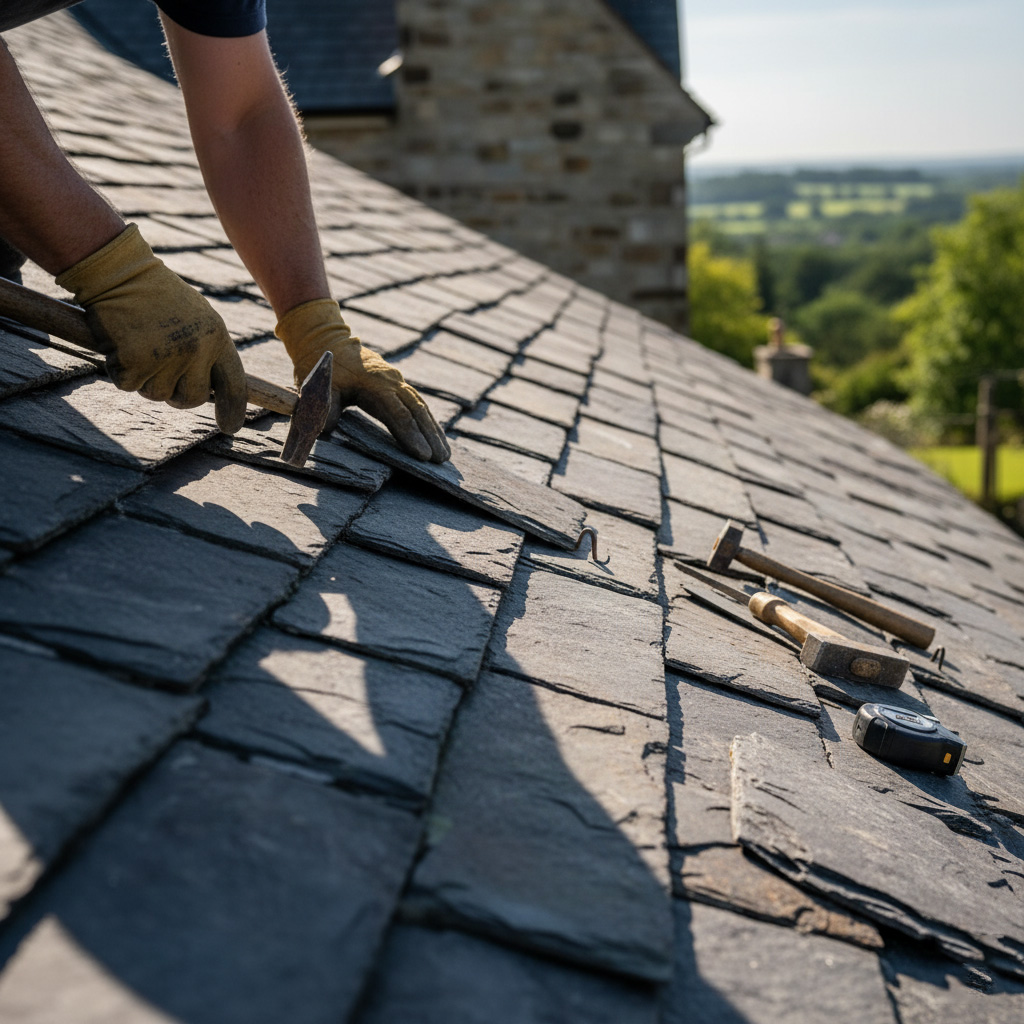
Essential Tools and Safety Gear for Your Roof Inspection
Before you climb, gear up right. One slip on wet shingles means a hospital bill you don't need. Safety keeps you alive to fix the roof later.
Safety Gear That Saves Your Butt
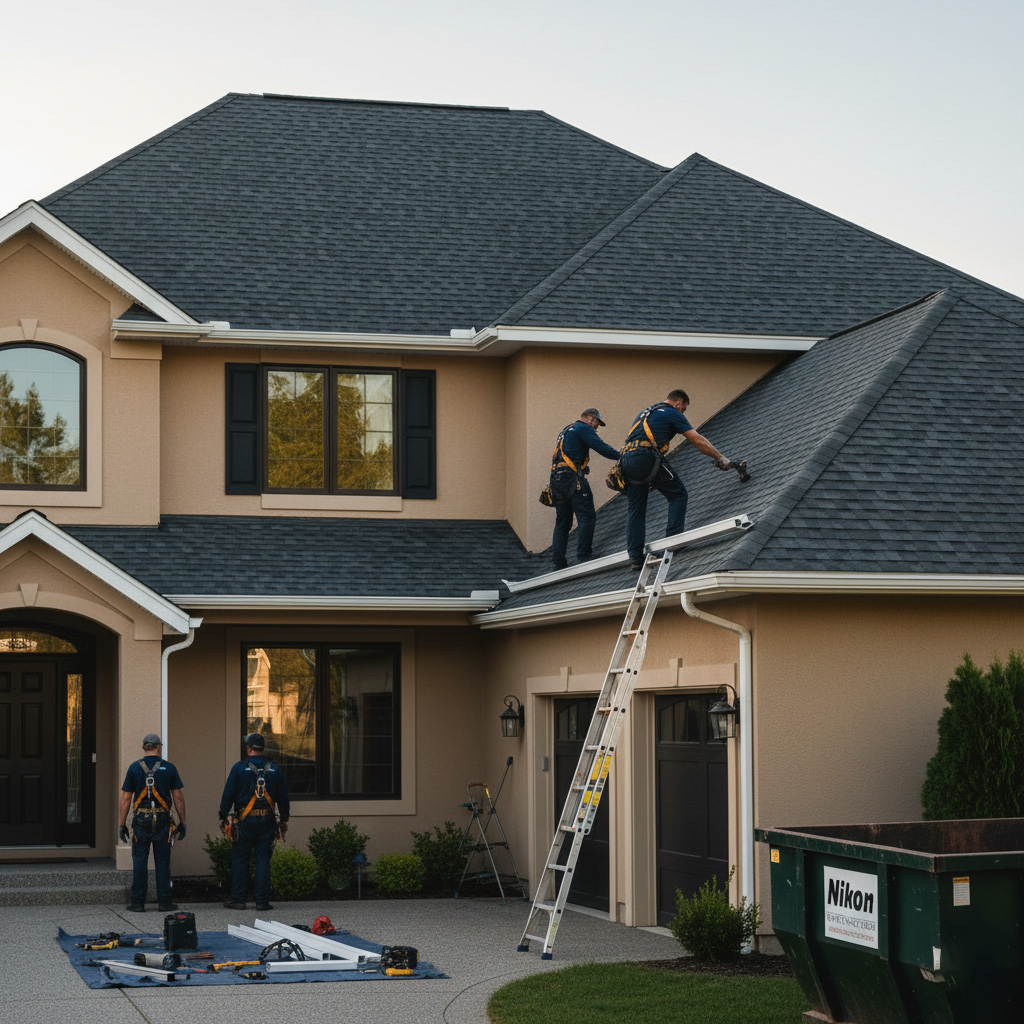
- Sturdy extension ladder rated for your weight plus tools. Lock it secure, 4:1 angle rule.
- Non-slip work boots with thick soles. No sneakers on slick Minnesota roofs.
- Harness and rope if your roof pitches steep. Tie off to chimney or peak.
- Heavy gloves and safety glasses. Shards and splinters wait everywhere.
Tools for Spotting Trouble Fast
Pack light but smart. These basics uncover damage without fancy gadgets.
- Binoculars for ground views. Spot loose shingles from afar.
- Flashlight or headlamp. Shadows hide cracks up close.
- Digital camera or phone. Snap pics for before-and-after proof.
- Measuring tape. Check shingle gaps quick.
Ground-Level Exterior Check: Spotting Obvious Damage from Below
Start right here on solid ground. No ladder needed yet. Just walk around your house with eyes wide open, scanning the entire roofline for the easy wins.
Grab your phone for pics. Note anything off. This quick scan catches 80% of big problems before they bite.
Key Ground-Level Red Flags
- Missing or curling shingles: Wind or age lifts edges, inviting water in.
- Granule loss on gutters: Hail strips them off, exposing asphalt underneath.
- Damaged fascia or soffits: Rot shows as soft spots or peeling paint.
- Overhanging branches: Rubbing creates friction tears, especially after storms.
- Chimney cracks: Mortar crumbling means leaks straight to your attic.
Minneapolis roofs take a beating from high winds. Look for loose flashing around vents too. Spot these now, and you dodge a $10K repair bill later.

Ladder-Up Inspection: Shingles, Flashing, and Key Vulnerabilities
Grab that ladder and get eyes on the roof surface. You're hunting for the stuff that fails first under Minnesota's brutal winds and hail. Miss this, and water sneaks in like a thief.
Shingles: The Frontline Defense
Look close at every shingle row. Cracked, curled, or bald from granule loss? Those scream replacement now.
- Missing tabs: Wind ripped 'em loose. Patch immediately.
- Curling edges: Heat and age culprit. Lift and reseal.
- Soft spots: Poke gently. Mushy means rot underneath.
Flashing: Seal the Gaps
Zero in on metal flashing around chimneys, vents, and valleys. Rust streaks or lifted seams invite leaks. Pry lightly; if it moves, hammer it down or call pros.
- Cracked sealant: Fresh caulk it.
- Loose nails: Drive new ones in.
- Valley wear: Buckled metal? Big trouble ahead.
Spot satellite dishes or antennae? Check brackets too. Loose ones grind shingles to dust over time.
Minneapolis Weather Warriors: Hail, Ice Dams, and Freeze-Thaw Red Flags
Minneapolis winters and storms hit roofs hard. Hail dents shingles. Ice dams trap water. Freeze-thaw cycles crack everything in sight.
Hail Damage Hotspots
- Look for granule loss on shingles – bare spots mean hail stripped the protection.
- Check for cracks or bruises – soft spots that dent under finger pressure scream recent hail hits.
- Scan ridges and valleys – hail loves piling up damage there first.
Ice dams form when snow melts and refreezes at the eaves. Water backs up under shingles. Your roof turns into a hidden reservoir.
Ice Dam and Freeze-Thaw Alerts
- Probe gutters and soffits for water stains or rot – ice pushed moisture right through.
- Feel for buckling shingles – freeze-thaw swelling lifted them loose.
- Spot ice buildup or icicles longer than a foot – that's a blockade waiting to flood your home.
One quick walk-around spots these killers before they cost you thousands. Act now. Your roof's begging for it.
Interior Attic Dive: Hidden Leaks and Structural Warnings
Climb into your attic with a flashlight and gloves. Most leaks start here, invisible from below. Spot them before they rot your ceilings.
Leak Hunters: Water Damage Giveaways
- Dark stains on rafters or insulation scream past leaks.
- Peeling insulation or mold spots mean moisture's winning.
- Soggy plywood screams ice dam trouble from our brutal winters.
Push aside insulation carefully. Check for daylight through cracks. Those pinpoint the roof's weak spots.
Structural Red Flags You Can't Ignore
Bent or sagging rafters? That's your roof screaming overload. Poor ventilation traps heat and snowmelt, fueling ice dams year after year in Minneapolis.
No soffit vents or blocked ridge vents? Fix that fast. It turns your attic into a steam room, rotting everything from the inside out.
Case Study: Rescuing a Hail-Battered Roof in Northeast Minneapolis
Picture this: Tom in Northeast Minneapolis calls us after that brutal hailstorm last spring. His roof looked okay from the street, but water stains were creeping across his ceiling. One ground-level check revealed granule loss everywhere—no shingle protection left.
We climbed up and bingo. Dents like craters, cracked shingles, and flashing pulled loose. Inside the attic? Insulation soaked, rafters soft from ice dam melt—total hidden disaster.
Quick Fixes That Saved His Home
- Replaced 60% of hail-pummeled shingles with impact-resistant ones.
- Reinforced flashing around the chimney to stop future leaks.
- Added ice dam prevention strips—key for our freeze-thaw winters.
Cost? Under $12K, versus $25K for a full tear-off if he'd waited. Tom slept dry through the next storm. Your roof could be next—inspect now.
Final Words
Listen up. You've got the checklist. Now use it before the next storm hits.
Spot red flags? Don't climb back down and ignore them. Small fixes today crush massive repair bills tomorrow.
Quick Action Plan
- Schedule a pro inspection if damage looks sketchy. We handle Minneapolis roofs daily.
- Check our Roof Inspection page for free quotes.
- Act fast. Roofs don't fix themselves.
One call saves your home from Minnesota's brutal weather. Hit us up now.
People Also Ask
How often should I get a roof inspection in Minneapolis?
In Minneapolis, schedule a professional roof inspection annually, especially after severe weather like hail storms or heavy snow. Homeowners should also inspect twice yearly—spring and fall—to catch issues early. Catching problems before winter prevents costly repairs from freeze-thaw cycles.
What are the most common signs of roof damage from hail in Minnesota?
Look for granule loss on shingles, creating a bald or bruised appearance, and soft spots where hail has cracked the asphalt. Dents on metal flashing or vents are also red flags. In Minnesota's hail-prone areas like Northeast Minneapolis, these signs demand immediate inspection to avoid leaks.
Can I perform a DIY roof inspection safely in Minneapolis?
A ground-level and attic check is safe for DIY, but avoid climbing ladders unless you're experienced due to steep pitches and Minnesota winds. Use binoculars for shingles and flashing from below. For thorough assessments, hire certified Minneapolis roofers to spot hidden vulnerabilities.
How do I identify and prevent ice dams on my Minneapolis roof?
Ice dams form ridges of ice along the roof edge after heavy snowmelt refreezes, causing leaks. Check gutters for icicles and attic for water stains. Prevent them with proper insulation, ventilation, and professional snow removal services tailored to Minneapolis winters.
What should I check in my attic during a roof inspection?
Inspect for daylight through cracks, dark mold streaks on rafters, or wet insulation indicating leaks. Check for sagging beams or poor ventilation causing moisture buildup. In Minneapolis homes, these signs often stem from ice dams—address them promptly to protect structure.

Minneapolis Roofing provides roofing services tailored to the Minneapolis area. With years of hands-on experience, the team manages installations, repairs, and maintenance for homes and businesses. Rooted in the local community, they address Minnesota's unique weather challenges.
Need Roofing?
Fast roof repairs and replacements deliver leak-free protection in Minneapolis, MN and nearby areas. (55401, 55403, 55408, 55412, 55419)
Get Roof Quote